Meet the Candidates: TCEP 2026-2027 Board of Directors
As the 2026 Election approaches, we’re excited to introduce a vibrant and committed line up of candidates running for various seats on TCEP’s Board of Directors and Council. The positions open for election include:
Here’s your chance to get acquainted with these candidates. We invite you to attend the Meet the Candidates Reception at CONNECT on Friday, April 10, from 7 – 7:45 p.m.— a great opportunity to connect with those running and learn more about their vision for TCEP.
Mark your calendars for April 11, 2026, when the election will be held during TCEP’s Annual Business Meeting at CONNECT 2026.
DIRECTOR (1-year term)
|
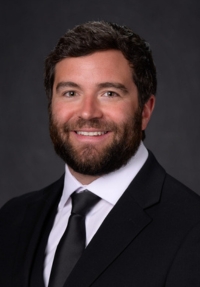
Bryan Dunn, MD, FACEP
Current Role(s): President, Victoria Emergency Associates
Medical School: University of Texas, Houston (1991)
Residency Program: Maricopa Medical Center (1995)
Watch Video
TCEP/ACEP Participation and Contributions:
- ACEP member (2012 - present)
- TCEP member (2012 - present)
- President Elect, TCEP (2025 - present)
- Board Director, TCEP (2025 - present)
- ACEP Councillor (2025 - present)
Goals While Serving on TCEP Board:
- Increase Membership - Dr. Rosillo is enacting some exciting initiatives to engage more Texas EM physicians. The Membership Committee under his leadership, our continuing visits to EM programs across the states engaging with residents, and focusing on issues that unite, not divide Emergency Physicians are specific actions that I think can help bolster membership and magnify our collective voice across Texas.
- Improve Reimbursement - The NSA continues to wreak havoc, slashing payment to EM physicians nationwide, and Medicare reimbursement has been level for over 20 years–not even seeing an increase for inflation. ACEP is hard at work in Washington, and we can and will exert our influence locally. Texas has a nationwide influence, and we will continue to use our influence to work towards shoring up the fraying safety net of healthcare.
- Limit Scop of Practice - EM training matters. The political efforts of the national Nurse Practitioner lobbyists are gaining traction. They are presenting themselves as the answer to access of care in rural areas. Multiple studies demonstrate their inefficiency and lack of training will bring an unacceptable quality of care to some of the most vulnerable Texans. NPPs have their role on the ED healthcare team, but that role is under the direction and supervision of Board-Certified Emergency Physicians.
Pressing issues facing Emergency Medicine Physicians in the next 3 years:
Along with these three pressing issues, another that is of particular concern is Tort Law. We must hold the ground we won in 2003. Every legislative session, trial attorneys are contributing time and dollars to create cracks in Texas Tort Law. They are relentless, and well-funded. If we drop our guard, we stand to lose what has been perhaps the most effective action of organized medicine in Texas in the past 50 years. We must not allow that to happen.
|
 |
DIRECTOR (3-year term)
|
Kimberly Leeson, MD, FACEP
Current Role(s): Professor of Emergency Medicine – CHRISTUS Health–Texas A&M Emergency Medicine Residency Program; Clerkship Director and Medical Student Advisor – Emergency Medicine and Adjunct Clinical Professor – Texas A&M University–Corpus Christi
Medical School: Emory School of Medicine (2002)
Residency Program: University of Arizona-Tucson Emergency Medicine (2008)
Watch Video
TCEP/ACEP Participation and Contributions: I have been an active member of TCEP for many years, contributing consistently as an educator, mentor, and advocate for medical students and residents I have delivered multiple lectures at TCEP Connect, initially as a junior faculty member and now in leadership roles. Currently, I serve as the TCEP Medical Student Committee Physician Advisor and TCEP Connect Medical Student Program Co-Chair, helping design and deliver programming focused on career exploration, advocacy, and early professional identity formation. I participated in Hill Day last April at the Texas State Capitol in Austin. I served as an Alternate Councillor in September 2025 and plan to continue advancing to full Councillor service, with the goal of amplifying the voices of frontline clinicians, educators, and learners within TCEP and ACEP
Goals While Serving on TCEP Board:
- Expand and Strengthen TCEP Membership Across Texas. Actively recruit and engage emergency physicians statewide by clearly communicating TCEP’s value in advocacy, education, and professional support. Focus outreach on medical students, residents, early-career physicians, community and rural EM physicians, and those impacted by corporate practice models, fostering sustained membership and leadership development.
- Address Workplace Violence and Support Physician Well-Being. Advocate for system-level and legislative solutions to workplace violence in Texas emergency departments, including improved reporting mechanisms, institutional accountability, and physician protections. Promote initiatives that support physician safety, wellness, and retention as essential components of a stable EM workforce.
- Strengthen the Emergency Medicine Pipeline and Advocacy Efforts. Support medical students and residents through mentorship, leadership development, and early engagement in organized medicine, while advancing TCEP’s advocacy on reimbursement, scope of practice, workforce stability, and patient safety to ensure a strong future for emergency medicine in Texas.
Pressing issues facing Emergency Medicine Physicians in the next 3 years:
- Emergency Department Crowding, Boarding, and Hospital Throughput in Texas: Texas emergency departments continue to experience severe crowding driven by limited inpatient capacity, psychiatric bed shortages, and access barriers for uninsured and underinsured populations. These system failures disproportionately impact Texas EDs, placing emergency physicians at the center of delays, moral distress, and patient safety concerns.
- Workforce Stability, Corporate Practice of Medicine, and Rural Access: Increasing consolidation and corporate practice models across Texas threaten physician autonomy, job stability, and continuity of care. At the same time, many rural and underserved Texas communities struggle to recruit and retain board-certified emergency physicians, widening disparities in access to high-quality emergency care.
- Burnout, Safety, and Retention of Texas Emergency Physicians: Texas emergency physicians face rising workplace violence, high clinical acuity, and administrative burdens, all within a medicolegal and regulatory environment that can feel increasingly unsupportive. Addressing physician wellness, retention, and safety is critical to sustaining the emergency medicine workforce across the state.4. State-Level Advocacy, Reimbursement, and Scope of Practice: Ongoing vigilance is vital to protect fair reimbursement, oppose inappropriate scope expansion, and ensure Texas legislation supports physician-led emergency care. TCEP’s role in advocacy, education, and coalition-building will be essential in safeguarding patient safety and the practice of emergency medicine in Texas.
|
 |
Jeff Pinnow, MD, FACEP
Current Role(s): Partner, Basin Emergency Physicians; Chief of Staff, Medical Center Hospital; ED Medical Director, Winkler County Memorial Hospital; Medical Director, Odessa College Fire and EMS Training Programs; President, Texas Chapter AAEM; Member, TMA Council of Constitution and Bylaws; Member, TEXPAC Candidate Endorsement Committee
Medical School: University of Minnesota (2007)
Residency Program: York Wellspan Hospital EM (2010)
Watch Video
TCEP/ACEP Participation and Contributions:
- ACEP member (2006 - present)
- TCEP member (2013 - present)
- TCEP Volunteer of year Recipient 2025
- TCEP Representative on TMA Rural Access to Care and Patient Safety Committee
- Member, TCEP CONNECT Resident Program Committee (2023 - 2024)
- Member, TCEP CONNECT Resident OlEMpics program (2022 - 2023)
- Member, TCEP Teller Committee
- Attendee, TCEP BOD meetings as TMA and TAAEM liaison
Goals While Serving on TCEP Board:
- Offer a voice for both community and rural EM doctors at the state level.
- Ensure TCEP is visible and has a voice regarding issues with insurers, CMGs, and medical regulators across the state.
- Support Texas EM physicians as our specialty integrates AI into clinical practice.
Pressing issues facing Emergency Medicine over the next 3 years:
I believe the largest hurdle Texas EM faces over the next three years is navigating the use of Artificial Intelligence usage at bedside. Integrating artificial intelligence into emergency medicine presents significant challenges despite its potential to diagnostic accuracy and efficiency. As Emergency Physicians we thrive in high-pressure, time-critical environments where incomplete data, rapid patient turnover, and unpredictable cases challenge us daily. This is the mark of a competent and seasoned ER doctor, and many of us display this badge of honor with pride. At the same time we can’t ignore how helpful AI is helping us create better HPIs and MDMs, and can even code out our charts in real time. As more clinicians (and patients) turn to AI, ensuring data quality and interoperability across electronic health records, imaging systems, and monitoring devices will present challenges. Clinician trust and adoption will serve as additional hurdles, as providers must understand the AI recommendations without increasing cognitive burdens or disrupting established workflows. TCEP can help with these issues by creating policies and guidelines that support ethical usage of AI, that may address legal concerns such as bias, transparency, and accountability for errors. Proliferation of AI will likely lead to employers hiring more Mid-levels as education will matter less. This will once again threaten scope of practice policies across the state. We as Emergency Medicine Physicians will have to further defend our positions as department leaders and may need legislative support to protect our positions within the Healthcare Delivery System. I am prepared to fight that battle in Austin on behalf of all EM docs if elected to TCEP BOD.
|
 |
|
|
|
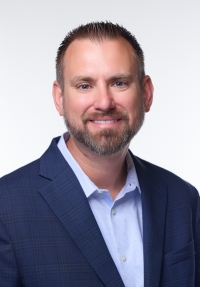
Marcus Sims II, DO, FACEP (incumbent)
Current Role(s): Medical Director, St. Luke’s Health – Sugar Land Emergency Department; Medical Director, St. Luke’s Health – Brazosport Emergency Department; and Medical Director for EMS/Fire Agencies
Medical School: University of North Texas Health Science Center- Texas College of Osteopathic Medicine (2009)
Residency Program: University of Texas Health Science Center- Houston (2013)
Watch Video
TCEP/ACEP Participation and Contributions:
I have been actively involved with TCEP/ACEP through several leadership roles. I first served one term as the Young Physician Representative on the TCEP Board of Directors, followed by two additional board terms. I have also served on the Executive Committee, first as Secretary and currently as Treasurer, contributing to chapter governance and financial oversight. Additionally, I have been a member of the Membership Committee, participated in residency visits, and currently serve on the Finance Committee. Through these roles, I have supported member engagement, resident outreach, and the long-term financial stewardship of the organization.
Goals While Serving on TCEP Board:
- Grow and strengthen TCEP membership by increasing engagement, enhancing outreach to trainees and early-career physicians, and reinforcing the value of organized emergency medicine.
- Advocate for emergency physicians and protect the practice of medicine by actively opposing scope-of-practice expansion that threatens patient safety and supporting legislation that strengthens our profession.
- Mentor and develop future leaders by encouraging physician involvement in committee work, guiding young and emerging leaders, and creating pathways for broader participation within TCEP.
Pressing issues facing Emergency Medicine over the next 3 years:
Ongoing Scope Creep. Continued efforts by non-physician groups to expand independent practice remain a significant threat to patient safety and to the role of the emergency physician. Protecting physician-led, team-based care will require sustained advocacy, legislative engagement, and unified professional support. Erosion of Tort Reform Protections. The steady legal and political challenges to Texas’ tort reform laws pose increased risk for emergency physicians. Maintaining meaningful liability protections is essential to ensuring access to emergency care, reducing defensive medicine, and preserving workforce stability. Workforce Pressures and Operational Strain Emergency departments are experiencing rising patient acuity, increased boarding, and growing administrative burden. These pressures contribute to burnout, threaten retention, and restrict our ability to provide high-quality, timely care. Addressing workforce sustainability and system-wide patient flow challenges will be critical.
|
 |
|
|
|
Kristopher Sutherly, MD, FACEP
Current Role(s): Regional Medical Director, Emergency Medicine (SCP Health); Emergency Medicine Attending Physician; Air Force Reserve Flight Surgeon (Lieutenant Colonel); Emergency Medicine Residency Faculty
Medical School: East Tennessee State University Quillen College of Medicine (2010)
Residency Program: University of South Florida Emergency Medicine (2013)
Watch Video
TCEP/ACEP Participation and Contributions:
I have been actively engaged with TCEP and ACEP through advocacy, education, and physician leadership development. I routinely encourage residents and early-career physicians to join and participate, emphasizing organized emergency medicine as essential to protecting our specialty. I use ACEP and TCEP clinical policy, reimbursement guidance, and advocacy resources in both my clinical practice and my regional leadership role. As a regional director overseeing multiple EDs, I also serve as a conduit between frontline physicians and organized medicine by sharing legislative updates, scope-of-practice concerns, and regulatory changes that directly affect how we deliver care in Texas emergency departments.
Goals While Serving on TCEP Board:
- Strengthen the pipeline and retention of Texas emergency physicians.I want to help TCEP support residents and early-career physicians with mentorship, leadership development, and career sustainability so Texas can remain a destination for high-quality emergency medicine practice.
- Advocate for operational and financial realities that affect bedside care.Using my experience managing multiple EDs, I hope to help TCEP bring real-world data to legislative and regulatory advocacy around boarding, reimbursement, staffing models, and scope-of-practice expansion.
- Bridge frontline clinicians and organized medicine.Many physicians feel disconnected from advocacy. I want to help TCEP communicate more clearly how policy, payer decisions, and hospital economics directly impact physician autonomy, patient safety, and professional longevity.
Pressing issues facing Emergency Medicine over the next 3 years:
Emergency medicine is facing a convergence of pressures that threaten both patient care and physician sustainability. ED crowding and hospital boarding continue to worsen, driving burnout, safety risks, and declining patient experience. Reimbursement pressure and payer denials are eroding the financial viability of emergency care despite rising acuity and complexity. At the same time, scope-of-practice expansion and corporate consolidation are reshaping who delivers emergency care and under what incentives. Finally, workforce sustainability to include recruitment, retention, and the well-being of emergency physicians, will be critical if we want to maintain a high-quality, physician-led emergency care system in Texas.
|
 |
|
|
|
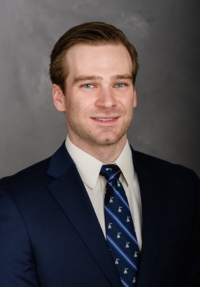
Jake Valentine, MD, FACEP
Current Role(s): Assistant Dean for Clinical Skills, University of Houston College of Medicine; Associate Program Director, Emergency Medicine Residency, UH/HCA Houston Healthcare – Kingwood
Medical School: Baylor College of Medicine (2017)
Residency Program: Johns Hopkins (2021)
Watch Video
TCEP/ACEP Participation and Contributions:
I have been an active ACEP member since medical school and have long engaged with organized emergency medicine at both the state and national levels. During my training, I received the Texas College of Emergency Physicians Community Service Award, recognizing early involvement in advocacy, education, and community-based initiatives. My professional interests strongly align with the missions of TCEP and ACEP, particularly in physician advocacy, workforce sustainability, resident and medical student engagement, and educational excellence. I regularly incorporate policy, medicolegal issues, and systems-based practice into resident education and mentorship, and I am eager to contribute more directly to TCEP’s leadership, advocacy, and educational initiatives.
Goals While Serving on TCEP Board:
- Advocate for the emergency medicine workforce across the training-to-practice continuum - I hope to support policies that address physician burnout, workforce oversupply concerns, corporate practice pressures, and fair working conditions—particularly for early-career physicians and trainees practicing in Texas.
- Strengthen engagement of medical students and residents within TCEP - I aim to expand pathways for learner involvement in advocacy, leadership, and organized medicine so that the next generation of emergency physicians sees TCEP as essential to their professional identity and career longevity.
- Advance education, quality, and professional development initiatives statewide - Leveraging my background in medical education and assessment, I hope to support TCEP efforts in continuing education, clinical quality improvement, and dissemination of best practices that directly improve patient care and physician well-being.
Pressing issues facing Emergency Medicine over the next 3 years:
- Workforce instability and practice environment challenges - oversupply concerns, consolidation by corporate entities, and erosion of physician autonomy threaten job satisfaction, compensation, and long-term sustainability of the specialty.
- Student recruitment into the specialty - while DO and IMG applicants have allowed application totals to rebound near pre-COVID levels, we are still underperforming in recruitment of US allopathic medical students. The RRC recommendations of mandatory 4-year training programs will be an additional barrier to recruitment. I hope to help shape the narrative around careers in emergency medicine, particularly at the UME level, that has seemed to contribute to the decline in USMD applicants.
- Advocacy and public perception of Emergency Medicine - Emergency physicians face increasing reimbursement pressure and misunderstanding of the ED’s role in the healthcare system. Risk is unevenly distributed and concentrated in the ED, with common misconceptions about the drivers of ED boarding (hospital capacity rather than operational inefficiency in the ED). Strong state-level advocacy through organizations like TCEP is critical to protecting the specialty and the patients we serve.
|
 |
YOUNG PHYSICIAN DIRECTOR
|
Pavitra Krishnamani, MD
Current Role(s): Assistant Professor and Instructor, Dept. of Emergency Medicine – MD Anderson Cancer Center; and Chair, MD Anderson’s AI and Digital Health GME Subcommittee
Medical School: Jefferson Medical College at Thomas Jefferson University (2019)
Residency Program: Baylor College of Medicine (2022)
Watch Video
TCEP/ACEP Participation and Contributions:
As a TLAF Fellow this year, I have learned from and participated in TCEP board meetings and served as an active alternate councilor. As an alternate councilor, I have actively advocated for my colleagues' needs at national ACEP council, learning more about the diversity of thought that exists within our specialty in the process. I also vice chair the ACEP Health Innovation & Technology Committee, bringing my expertise in digital health to our specialty's national body of work.
Goals While Serving on TCEP Board:
- I look forward to staying actively engaged with TCEP, working with fellow board members to create a sustainable EM practice environment for my colleagues in the future. As a young physician representative, I hope to advocate for issues that impact our career development and practice environment, including scope creep, reimbursement, and ethical/mindful digital health adoption.
- Where appropriate, I hope to bring my digital health expertise to the conversation, using it to inform solutions and projects that TCEP may choose to pursue in the future.
- I aim to represent my colleagues at a state level, keeping in mind the nuances of practice and diversity of thought that exists in our field. From a governance perspective, I would like to advocate for the interests of our specialty on a state and national level by engaging with professional societies such as ACEP and with state legislature where necessary.
Pressing issues facing Emergency Medicine over the next 3 years: The most pressing issues facing us in the upcoming years are the encroachment on our scope of practice (scope creep), unsustainable reimbursement models, and the top-down adoption of artificial intelligence and digital health solutions into our practice environments. Without effective physician advocacy and representation, we may see a future in which our expertise is undervalued, we are compensated less for our labor, and we are made to use AI and digital health tools in a way that is unsafe to our practice and patients.
|
 |
|
|
|
Andrea Nillas, MD
Current Role(s): Assistant Medical Director of the North Texas Poison Center
Medical School: University of South Carolina School of Medicine Columbia (2020)
Residency Program: University of Texas Southwestern (2023)
Watch Video
TCEP/ACEP Participation and Contributions:
As a member of the ACEP Toxicology Section, I had attended the annual Scientific Assembly for multiple years and contributed to national discussions on substance use care, overdose management, and toxicologic emergencies. Upon taking on a leadership role as the Section Secretary, I work closely with the current chair to address constituent concerns and develop innovative ways to advance the field of medical toxicology within the interests of emergency medicine. As the ACEP toxicology simulation case editor, I am also actively involved in shaping education initiatives by reviewing and refining submitted cases to ensure clinical relevance and broad applicability. In maintaining this case library, I help disseminate high-quality simulation content that supports emergency physician education and preparedness across diverse practice settings. Through these roles, I have developed an appreciation for the importance of organized medicine in advocating for emergency physicians, shaping policy, and preparing the specialty for emerging challenges. Serving on the TCEP Board would allow me to bring this experience to the state level.
Goals While Serving on TCEP Board:
- Guide thoughtful integration of AI in Emergency Medicine - I hope to support TCEP in proactively addressing the rapid expansion of AI tools in documentation, clinical decision support, and workflow optimization. My goal would be to advocate for policies that ensure these technologies enhance physician efficiency and quality of care without undermining the essential role of EM physicians. I am particularly interested in helping balance the potential benefits of AI in reducing cognitive and administrative burdens with the need to mitigate medicolegal risk, preserve physician autonomy, and maintain physician-led decision making.
- Advance statewide practices of substance use disorders and behavioral health care - Drawing on my toxicology background, I aim to support advocacy for improved ED-based substance use treatment pathways, access to medications for opioid use disorder, and more effective transitions of care. I am particularly interested in investigating means to reduce prolonged boarding and unsafe conditions that disproportionately affect emergency care providers and patients alike.
- Strengthen young physician communication and engagement - As a Young Physician Representative, I would prioritize engaging early-career physicians with TCEP by expanding mentorship opportunities and creating clear pathways for involvement in advocacy and leadership. I hope to facilitate regular seminars or forums to provide practical guidance on building a career in Texas, developing financial literacy, and navigating professional transitions. I also aim to foster greater statewide collaboration around shared research interests and public health initiatives. I firmly believe that open communication is essential to finding innovative solutions to the evolving challenges facing emergency medicine, and I want to help build more accessible platforms that encourage connection and idea-sharing. Strengthening these communication channels will also help keep physician advocacy at the forefront and ensure timely dissemination of information during periods of policy change that directly impact emergency physicians. Ultimately, my goal is to ensure that young physicians see TCEP as a supportive and impactful organization throughout their careers.
Pressing issues facing Emergency Medicine over the next 3 years: Over the next three years, emergency medicine physicians will continue to face significant financial, operational, and systemic challenges that threaten both the sustainability of emergency care and physician morale. Ongoing cuts to reimbursement, particularly within Medicaid, combined with a growing complexity of payor negotiations, will increase financial strain on emergency departments. Advocating for sustainable funding for EMS systems, trauma centers, and behavioral health services should remain priorities. Additionally, the rapid expansion of AI technologies presents both opportunity and risk for emergency physicians. Without physician-led oversight, these tools may inadvertently introduce medicolegal risk or ethical dissonance rather than centering around patient care. Ensuring that technology is implemented thoughtfully, with safeguards that preserve physician autonomy and support clinical decision-making, will be essential. Finally, the ongoing substance use and mental health crisis continues to be a defining challenge for emergency medicine. Emergency departments remain the safety net for patients with limited access to outpatient care, yet insufficient downstream resources place sustained pressure on ED capacity and staff. Addressing this crisis will require coordinated advocacy for expanded behavioral health infrastructure, substance use treatment access, and policies that recognize the central role of emergency physicians in managing these public health emergencies. Together, these issues underscore the need for strong, organized discourse to protect emergency physicians and their communities.
|
 |
|
|
|
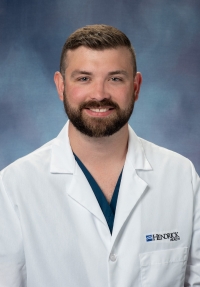
Colten Philpott, MD
Current Role(s): Attending Physician Emergency Medicine, Hendrick Health System; Medical Director, South Taylor County EMS; and Medical Director, Axon Education Texas EMS School
Medical School: Texas Tech University Health Sciences Center Lubbock (2019)
Residency Program: John Peter Smith (2022)
Watch Video
TCEP/ACEP Participation and Contributions:
- TCEP Resident/Candidate Board Member (2021-2022)
- TCEP Leadership and Advocacy Fellow (2021-2022)
- Attended ACEP as alternate councillor for TCEP (2021)
Goals While Serving on TCEP Board:
- Provide prospectives of private and democratic groups to the TCEP Board of Directors.
- Encourage Residents to seek employment in rural areas by highlighting pay, cost of living and autonomy advantages of that practice setting.
- Increase resident Involvement in TCEP and representative medicine as a whole.
Pressing issues facing Emergency Medicine over the next 3 years:
- Emergency Physician burn out
- AI integration into Emergency Medicine practice
- Rural Access to qualified Emergency Medicine
- Providers Reductions in reimbursement from large insurance providers.
|
 |
|
|
|
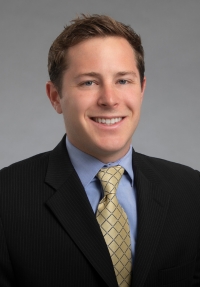
Michael Rozum, MD
Current Role(s): Attending Physician, Emergency Medicine; Hunt Regional Medical Center
Medical School: Rush Medical College (2019)
Residency Program: Parkland- UT Southwestern (2022)
Watch Video
TCEP/ACEP Participation and Contributions:
- TCEP Leadership and Advocacy Fellowship (TLAF) graduate (2020)
- Attended ACEP's Leadership and Advocacy Conference (2019 & 2025)
Goals While Serving on TCEP Board:
- Partner with the Texas Health and Human Services Commission to allocate Rural Health Transformation Program funds to significantly expand access to high-quality emergency medical care for rural Texans.
- Collaborate with emergency medicine groups across Texas to advance legislative and regulatory reforms that strengthen collective bargaining power against insurers, particularly with respect to the Independent Dispute Resolution process.
- Preserve and defend the “Willful and Wanton” standard as the governing precedent for Emergency Medicine malpractice in Texas.
Pressing issues facing Emergency Medicine over the next 3 years:
- Absorbing mounting financial pressure from declining Medicare, Medicaid, and commercial reimbursements, while disproportionately serving patients who are uninsured or underinsured.
- Responding to escalating patient volumes and worsening clinical acuity, driven by reduced access to primary care and FQHCs.
- The misuse of the Independent Dispute Resolution process by insurers, characterized by artificially low initial reimbursement offers and claim denials that improperly rely on final diagnoses rather than the patient’s presenting chief complaint.
|
 |
| |
|
Makayla Williams, MD
Current Role(s): Assistant Medical Director, Emergency Medicine - John Peter Smith Hospital; and Director of Clinical Experience – Integrative Emergency Services
Medical School: Saint Louis University School of Medicine (2020)
Residency Program: Baylor College of Medicine (2023)
Watch Video
TCEP/ACEP Participation and Contributions:
I have remained a general member with ACEP and TCEP throughout my training. I am a general member of ACEP's Wellness and Young Physicians sections. I have attended numerous conferences, and this past year took the Peer Support course that gave me the tool to help lead and develop a similar course for my institution and company.
Goals While Serving on TCEP Board:
- Understand the complex political nature of professional organizations and how physician can help influence change.
- Develop professional relationships with physician leaders to partner on wellness events and understand the ever changing landscape of emergency medicine.
- To gain intangible professional skills to continue to pursue and develop as I embark on my professional journey.
Pressing issues facing Emergency Medicine over the next 3 years: Boarding and optimizing flow APP and Physician Collaboration/Workflow Violence and Workspace safety and wellness.
|
 |
RESIDENT DIRECTOR
|
Nathan Mortensen, MD
Current Role(s): PGY1 – HCA Houston Healthcare – Kingwood
Medical School: SGU (2025)
Residency Program: Kingwood EM (2028)
Watch Video
TCEP/ACEP Participation and Contributions:
- ACEP Member (2024 - present)
- TCEP Member (2024 - present)
Top Goals While Serving on TCEP Board: I want to advocate for continued legislative views regarding emergency medicine, including tort reform, standard of care, in private health information. I want to be involved in the gathering of data and making recommendations to both positions and legislators regarding the healthcare needs specific to Texas emergency medicine. I want to be involved in how residency programs will change as we move to a four-year mandated program in the coming years.
Pressing issues facing Emergency Medicine Physicians in the next 3 years: There are many pressing issues, among them our residency programs will change in order to fill the four-year requirements of a program, continuing to adapt in a post Roe v Wade legal climate, and the shifting landscape regarding our immigration laws.
|
 |
Abbey Pastorelle, DO
Current Role(s): PGY2 – University of Texas at Houston; and Vice Chief of Education
Medical School: University of North Texas HSC at Fort Worth-Texas College of Osteopathic Medicine (2024)
Residency Program: University of Texas Houston (2027)
Watch Video
TCEP/ACEP Participation and Contributions: I served as the Medical Student Representative for the TCEP Board of Directors in the 2023-2024 academic year. I was an active participant at TCEP CONNECT 2023 and served on the Medical Student Program Planning Committee for CONNECT 2024. I attended the 2023 ACEP meeting in Philadelphia.
Goals While Serving on TCEP Board: I would like to get more involved in advocacy at a state and national level. I spent my first year of residency working on honing my craft and developing leadership skills and my own individual practice, and now I feel ready to be part of the TCEP Board of Directors as a resident this time. I hope to continue to support Tort reform, and to discuss how we can support equal access to emergency care in Texas.
Pressing issues facing Emergency Medicine Physicians in the next 3 years: Over the next 3 years, the first issue that comes to mind as a resident is the possibility that our 3 year Emergency Medicine residency programs may become 4 year programs, especially since the Texas programs are currently 3 year programs. If this is to occur, it will be important to work as a team to support GME in our state. One issue that has been prominent since 2020 is the ED crowding and boarding, where beds are unavailable in the ED due to being held by admitted patients waiting on a bed. Finally, I believe safety of our patients and staff in the ED should be a priority over the next few years, mainly streamlining reporting and establishing infrastructure to better protect our team.
|
 |
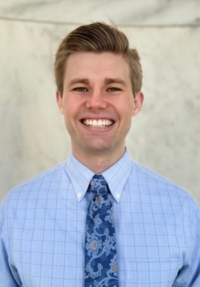
Jeffrey Shipley, MD
Current Role(s): PGY1 – University of Texas at Austin Dell Medical School; Residency Recruitment Co-Chair; Texas Stars (AHL) Professional Hockey Volunteer Assistant Team Physician; LDS Church Youth Advisor and Sunday School Instructor
Medical School: The George Washington School of Medicine (2025)
Residency Program: University of Texas at Austin Dell Medical School (2028)
Watch Video
TCEP/ACEP Participation and Contributions: Adjacent to ACEP, I served as the DC Emergency Medicine Medical Student Council Chair during which I collaborated with ACEP President Dr. Aisha Terry to plan health policy summits designed to increase medical student awareness and participation in health policy. Alongside the EM residency directors in the DC/Baltimore area, I planned and organized a Q+A discussion with Emergency Medicine program directors for 4th year medical students. Additionally, as chair, I led monthly meetings with and oversaw a group of 15 medical students from GW, Howard, and Georgetown medical schools as we planned events to foster interest and develop skills in the field of emergency medicine including physician panels, community blood drives, and a Naloxone distribution event.
Goals While Serving on TCEP Board:
- Information for residents: Transparency in the Texas Job Market given the enormity of the Texas market for resident physicians looking for their first job after residency, I would work with TCEP to publish a Texas job market database with anonymous data about the salary ranges, group type, RVU expectations, and number of expected nights/weekends in possible jobs to empower graduating residents with information to make informed decisions that protects young grads.
- Education for residents: Legal and contract education for residents given the lack of legal and contract education for residents, I would work to organize in person/virtual workshops and education designed to teach residents contract information, malpractice basics, and legal education behind moonlighting.
- Advocacy: Interpreter Services/language access: Given my experience of living in Mexico for two years and service within the Latino Medical Student Association in Washington D.C., I hope to advocate for medical interpreter access as a patient safety issue. I have witnessed how interpreter shortage or unavailability can cause medication errors and worse outcomes. I would support legislation requiring 24/7 qualified medical interpreter access in Texas EDs and push for state funding for interpreter services. I would also seek to increase funding for medical Spanish education in Texas medical schools.
Pressing issues facing Emergency Medicine Physicians in the next 3 years: The three most pressing issues facing EM physicians over the next three years while be first, boarding as there is a shortage of inpatient beds and specifically beds in psychiatric facilities, second, burnout and turnover amongst EM physicians, and third, financial pressures and reimbursement challenges. I've experienced some mild boarding at UT and it definitely affects workflow, increases dissatisfaction for patients as they wait in the waiting room for hours, and undermines educational experiences for trainees like myself as we cannot easily monitor a patient's vitals or dynamic changes in their conditions while they are in the waiting room. Second, as our nation's population continues to age and grow more unhealthy due to obesity and other chronic comorbidities, this will cause increasing patient acuity and volume which will worsen physician burnout and turnover will only increase. This will further exacerbate the physician shortage in rural areas. Third, as insurance payments to EM physicians have decreased over the last few years in addition to reduced federal support for uninsured persons, there will be increased financial strain put on physician groups and organizations.
|
 |
|
|
|
Samuel Warren, MD
Current Role(s): PGY3 – Texas Tech El Paso; Senior Resident
Medical School: Texas Tech Health Science Center El Paso, Paul L. Foster School of Medicine (2023)
Residency Program: TTUHSC El Paso Emergency Medicine (2027)
Watch Video
TCEP/ACEP Participation and Contributions:
- ACEP Member (2022 - present)
- TCEP Member (2022 - present)
Goals While Serving on TCEP Board: Learn more about what TCEP can and plans to do for Emergency Medicine in the coming years. Help to facilitate TCEP goals in the coming years. Ensure the voice of the Hispanic community/border community is active and heard amongst peers.
Pressing issues facing Emergency Medicine Physicians in the next 3 years: Concern for decrease prevention of highly contagious communicable disease leading to increased ER interaction with these patients. Changes in legislation which make reproductive health (specifically concerning early pregnancy) care a much more litigious and risky part of patient care. Dependence on AI for charting and clinical decision-making detracting from critical thinking amongst EM clinicians.
|
 |
| |
|
MEDICAL STUDENT REPRESENTATIVE
|
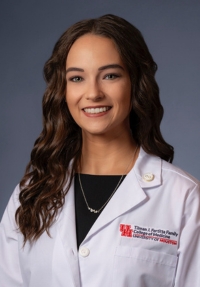
Jemma Killingworth
Current Role(s): EMIG Treasurer, University of Houston Tilman Family College of Medicine; Member, Code Blue Collective organization; and Volunteer, Houston Outreach Medicine Education & Social Services (HOMES) Clinic
Medical School: The University of Houston Tilman J. Fertitta Family College of Medicine (2029)
Watch Video
TCEP/ACEP Participation and Contributions:
- TCEP/ACEP Member since 2025
- Member of ACEP's American Association of Women Emergency Physicians Sesion
- Member of ACEP's Young Physicians Section
Goals While Serving on TCEP Board: One of the goals I hope to accomplish while serving in this position would be to help advocate for emergency medicine physicians and medical students, both nationally and in the state of Texas, at both the policy and hospital-level. Additionally, I would like to advocate for increased/strengthened emergency medicine education for medical students. Thirdly, I would like to help increase TCEP's outreach and education of the communities for which they provide care.
Pressing issues facing Emergency Medicine Physicians in the next 3 years: I think one of the most pressing issues facing EM physicians is burnout and staffing shortage. With long shifts, high patient load, and emotional strain, the attrition rate in emergency medicine remains a consistent concern. A concern which is, also, exacerbated by yet another pressing issues, rising patient volume. With a growing aging population and gaps in primary care access, the emergency department is becoming overrun with not just a high-volume of cases but, cases that require complex care which sometimes leads to a back-up of these patients in the ER as they await hospital admission. Thirdly, I think another issue EM physicians are facing is changes in policy and miseducation of the public. With constant fluctuations in policy and with the public hearing mixed advice in regard to their health, EM physicians are certain to face growing stressors on shift.
|
 |
| |
|
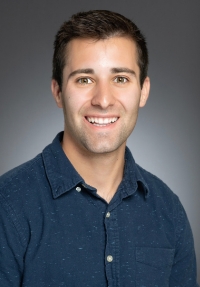
Joshua Roberts
Current Role(s): MS3 - UNT Health TCOM
Medical School: UNT Health TCOM (2027)
Watch Video
TCEP/ACEP Participation and Contributions:
- TCEP/ACEP Member since 2023
- Attended TCEP CONNECT (2023 & 2024)
Goals While Serving on TCEP Board: Network and build connections with others in the field of EM to eventually collaborate as colleagues and bounce ideas off each other. Mentor and help guide like-minded EM-bound medical students in years below me as I progress on my journey into an EM residency. Learn the process for instigating change at the Texas level and help ensure EM physicians don't get left behind on the various issues that face the field today.
Pressing issues facing Emergency Medicine Physicians in the next 3 years: The most pressing issues for emergency medicine physicians are AI, rural EM funding, and creep of other professions. Learning new applications for artificial intelligence and effectively utilizing AI in the ER setting can either make or break an EM physician. Utilizing software such as Dragon for charting or other new technologies can enhance information gathering and lessen the burden of dictation or typing allowing physicians more time for hands-on or more intensive tasks. The main issue comes in adopting the right AI software to not get left behind in comparison to other EM physicians and programs. Another challenge is the insufficient funding for rural EM hospitals with recent examples of Hunt Regional Healthcare and the Mid Coast Medical Center in Trinity both closing doors in 2025. Despite a multitude of funding sources for Texas hospitals, this does not seem to be sufficient leaving patients with less options and the rural physicians losing their employment in the dust. Another issue is the creep of nurse practitioners and physician assistants in the ER setting taking away jobs from physicians. Due to less cost of reimbursement for these ancillary positions from hospitals, administrations often make attempts at cutting the physician numbers in favor of a larger pool of NPs and PAs lessening our job opportunities. It is important we stand up to this imposing creep and maintain sufficient opportunities for EM physician employment.
|
 |
COUNCILLOR
|
 |
 |
 |
 |
 |
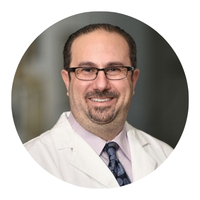 |
Sara Andrabi, MD, FACEP
|
Angela Cornelius, MD, FACEP
|
Robert Greenberg, MD, FACEP
|
Ben Leeson, MD, FACEP
|
Laura Medford-Davis, MD, FACEP
|
Ira Nemeth, MD, FACEP
|
 |
 |
 |
 |
 |
 |
Sterling Overstreet, MD, FACEP
|
Jeff Pinnow, MD, FACEP
|
R. Lynn Rea, MD, FACEP
|
Marcus Sims II, DO, FACEP
|
James Williams, DO, FACEP
|
Sandra Williams, DO, FACEP
|
|